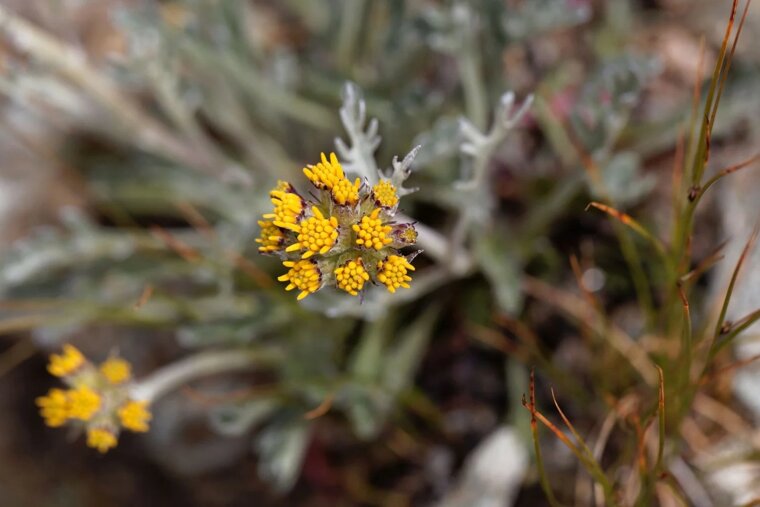
Above the tree line of Avoriaz, at higher altitudes, animals have learnt how to adapt to the harsh environment. Some animals are protected against the cold with a thick coat or plumage, others such as the marmot hibernate below ground, so solving the problem of food shortage during the long winter months.
Mammals of the mountain
Bouquetin (ibex)
A surprisingly large and powerful looking wild goat with large curved and ridged horns which can at times grow up to a metre in length. Mostly unafraid of humans you will find this peaceful animal on many of the common walks and hikes around Avoriaz. As with most horned mammals of their kind the ibex have a 'rutting' season. The males will fight for the females and the clatter of their horns clashing echoes throughout the mountains.
Chamois
The smaller chamois, or “Alpine antelope”, can be distinguished by a black line on its back. And in contrast to the ibex they have curved slender dark horns. Jumping from one rock to the next and climbing the steepest passages their movements appear unnatural. In summer they will feed on grass; in winter they make their way down to the forest and nibble the bark of trees.
Stoats
Commonly found in Alpine villages. The reddish brown summer coat becomes white in winter apart from a thin tuft of black hair at the end of its tail. This small carnivorous mammal lives among stones or near chalets.
Marmot
Everyone's favourite mountain mammal, it hibernates during the winter months so you will only see this cuddly looking creature during the summer. From April to September, it enlivens alpine pastures with its whistling call.
Lynx
And finally, you may well be lucky enough to catch a glimpse of a lynx! Unlikely but you never know...at sunset they can be found stalking the slopes in search of birds, marmots, chamois and small deer. Virtually extinct in the region by the beginning of the 20th century, this wild cat has returned to the woods of Savoie from Switzerland.
Birds of prey
Golden eagles can often be seen throughout the Alps, circling above their territory, which might cover most of a valley. Breeding pairs remain together for life, rearing their young in eyries on the side of inaccessible cliff faces. Eagles prey on marmots in summer and feed off carcasses when food becomes short in winter.